A Comprehensive Understanding of AI with 5 books
The five books listed here you will build a firm foundational knowledge of the artificial intelligence field.
For more than ten years now, I've been reading to fill in the vast gaps in my knowledge from my time in the public American education system.
During these expeditions, a method grew organically, nurtured by persistence. This method has helped me form stronger foundations of understanding.
My method is nothing special. It developed book by book, topic by topic. Reading led to more reading, which could go on forever. So, being a designer, I did the obvious thing and made a framework to help me read more intentionally.
The comprehension model
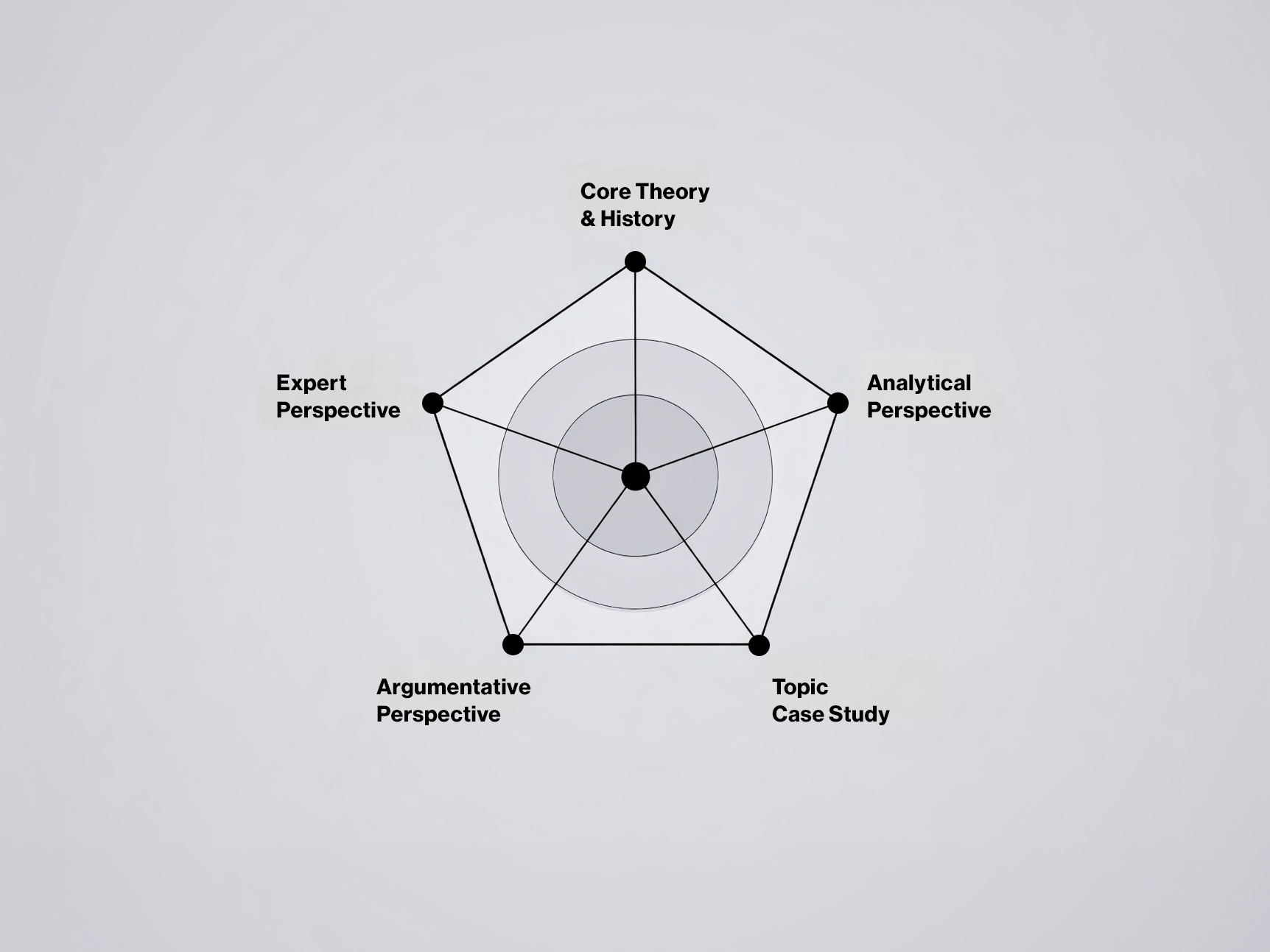
Fig 1. The comprehension model, Merlin Zuni, 2020
“The comprehension model” is about varied perspectives. Hearing different opinions and voices on any given topic. This approach has helped me build a more complete picture of a subject. It has also forced me to read books that I know I will disagree with and sometimes hate.
The five perspectives
Core theory & history
Expert opinion
Argumentative/Critical take
Analytical view
Case study
With the comprehension model in mind, here are my 5 book recommendations to give you a comprehensive understanding of the Artificial Intelligence field. Don’t worry, I didn't find any of these disagreeable. (Those got left off the list.)
1. Theory & history

Book: Artificial Intelligence: A guide for thinking humans
Author:Melanie Mitchell
Publisher: Pelican Books UK
Date: 2020
This book is written in an approachable way that not only highlights key historical moments, but also explains pivotal concepts using diagrams, metaphors, and accessible context.
This is the best starting point for an accessible understanding of AI that I have discovered so far in my reading.
Key takeaways:
AI history, timeline
Key concepts used in AI
Important figures in AI
2. Expert perspective

Book: Architects of Intelligence: The Truth About AI from the People Building It
Author: Martin Ford
Publisher: Packt Publishing
Date: 2018
Martin Ford has interviewed twenty-three of the leading figures in the field. The interviews traverse the paths to Artificial General Intelligence (AGI), risks and safety concerns, and the human/social impacts of AI.
This is a great reference book. You can turn to any interview and find differing opinions and insights from leading researchers, entrepreneurs, and computer scientists. You also get an overview of each expert's contribution to the field of AI.
Key takeaways:
Deeper understanding of concepts from creators
A portrait of key players
Divergence of opinions
3. Argumentative perspective
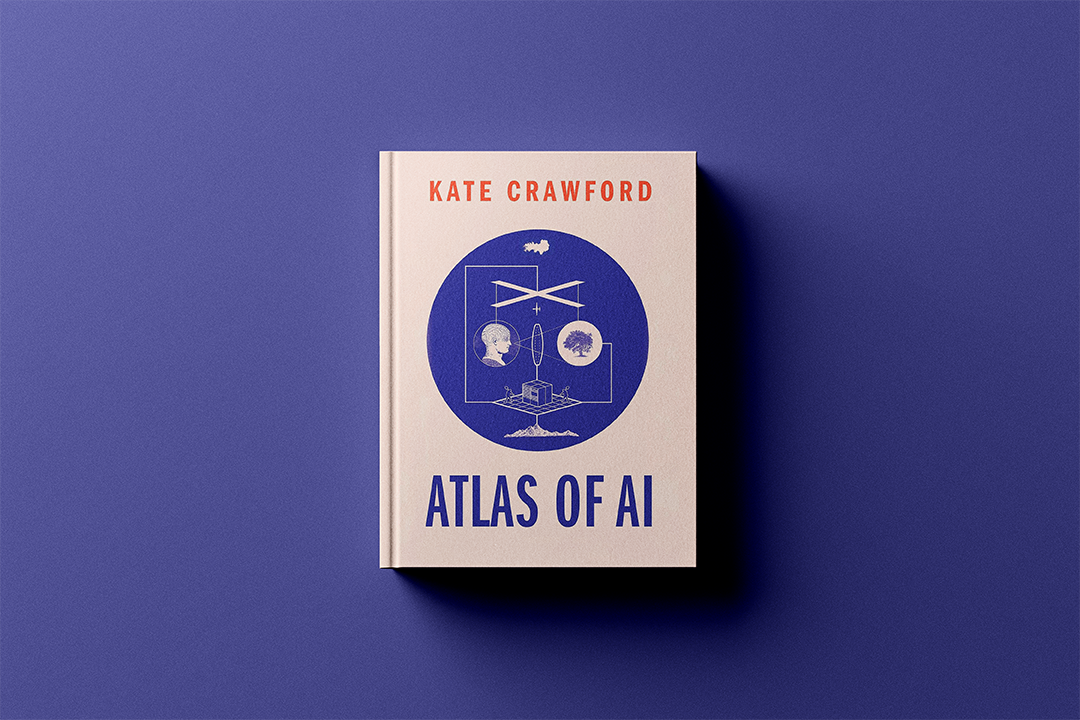
Book: Atlas of AI: Power, Politics, and the Planetary Costs of Artificial Intelligence
Author: Kate Crawford
Publisher: Yale University Press
Date: 2021
Kate Crawford takes you around the globe, mapping the intersections of power, politics, technology, and society. She reveals real, immediate threats to ecology, democracy, and humanity.
This book grounds you in reality, exposing the impact AI is having on countries around the world today.
Key takeaways:
The real cost of AI in human and ecological terms
The infrastructure required for AI
Historical exploitations of the tech industry
4. Analytical perspective
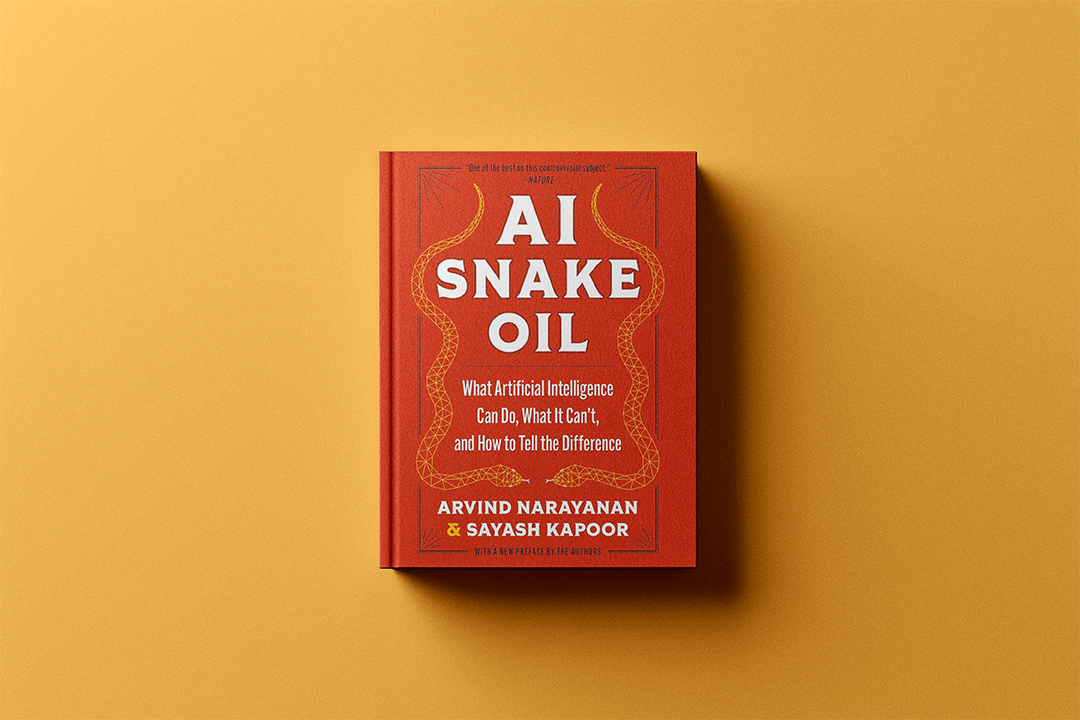
Book: AI Snake Oil: What Artificial Intelligence Can Do, What It Can't, and How to Tell the Difference
Authors: Arvind Narayanan & Sayash Kapoor
Publisher: Princeton University Press
Date: 2024
Written by academics in approachable, non-academic language, this book cuts through the hype. Clearly states the strengths and weaknesses of AI in it’s current state.
I've learned that predictive AI (models that forecast individual outcomes) is where the snake oil concentrates. Past data is a poor basis for predicting individual futures.
Key takeaways:
Many AI companies and services make false claims
Popular AI services are unreliable
Key areas to avoid with AI
5. Case study
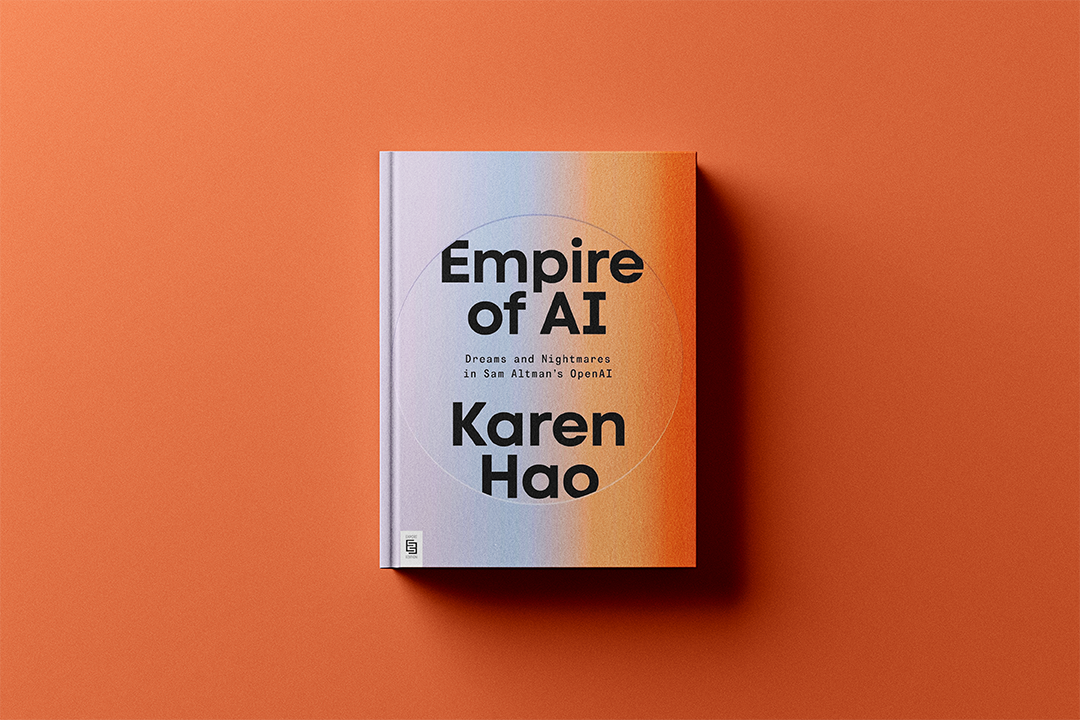
Book: Empire of AI: Dreams and Nightmares in Sam Altman's OpenAI
Author: Karen Hao
Publisher: Penguin Press
Date: 2025
A deep dive into OpenAI, exploring its history, its drama, and its business. From its original benefit-to-humanity mission to its pivot toward raising as much capital as possible and a full profile of its CEO, Sam Altman.
Karen Hao is an excellent journalist, an MIT graduate with deep technical grounding. I think she is a brilliant mind and I look forward to reading her next book.
Key takeaways:
Sam Altman portrait
OpenAI storyline
Global exploitation of people
Disclaimer
There is a huge gap between theory (understanding) and practice (doing), so once you have a solid foothold on the topic, I recommend actually using AI. If you want to go deeper, I recommend the essays of Anthropic's CEO, Dario Amodei who writes at length and with considerable care on the subject.